





AI system design and prompt engineering
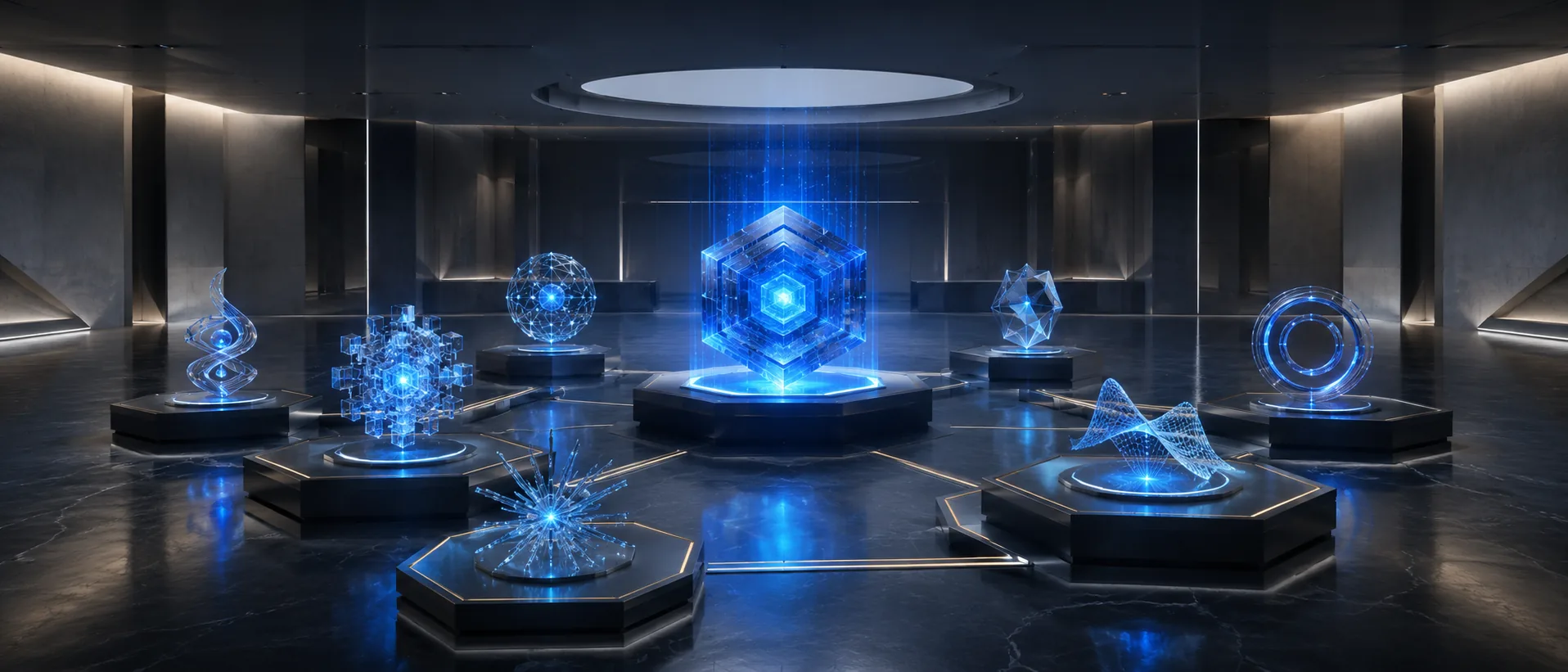
This AI Systems Portfolio presents the main categories of AI systems I have been designing and developing, with case study and real use examples.
A portfolio of Artificial Intelligence systems for document intelligence, decision support, research automation, workflow automation, content generation, agents and integrated solutions.
This page will progressively collect examples, structures and use cases.
These systems are not isolated AI tools. They are designed as practical, structured and reusable components that can support real workflows, projects, communication processes, research activities and decision-making. AI-powered systems through workflows, assistants, agents and operating structures that can be tested, improved and integrated into daily work.
Need support with AI system design?
Need support with AI system design, prompt engineering, and AI integration?
How to Read This AI Systems Portfolio
This portfolio presents categories of AI systems that can be adapted to different professional contexts. Some systems are oriented toward documents and knowledge organization, others toward research, planning, content generation, workflow automation or decision support.
Each system category can be developed as a simple assistant, an agent, a structured prompt workflow, a reusable operating system, or a more integrated AI solution depending on the real needs of the person, team or organization.
From Portfolio to Practical AI Integration
The systems presented in this portfolio can be used as starting points for real AI integration projects. Depending on the context, they can support project management, communication, research, documentation, content production, workflow automation, decision support and knowledge organization.
They can also be adapted to specific sectors such as cultural projects, events, sustainable tourism, communication, consulting and research-based work.
This portfolio is part of a wider AI integration framework.
For the general approach to AI adoption, workflow analysis and human-centered integration, see AI Integration.
For the design of AI-powered workflows, intelligent operating systems, human-in-the-loop processes and usable AI structures, see AI Workflow Design.
For testing, comparison, evaluation, QA, limitations and research on AI tools and workflows, see AI Testing Evaluation & Research.
For AI integration in European countries is under the EU AI Act Regulation that can include several obligations, see EU AI Act Compliance Support.
For broader professional applications, see Project Management & Consulting, Communications & Human Stories, Research, Events and Sustainable Tourism.
Designed for review, testing and integration
Each AI system can be documented in a way that supports technical review and implementation decisions.
Depending on the project, this can include workflow maps, input/output definitions, prompt structures, evaluation criteria, user roles, approval points, tool requirements, data boundaries, integration notes and known limitations.
This makes the system easier to discuss with IT specialists, developers, software providers or internal teams before implementation.
Each AI system should define clear limits for data use, privacy, confidentiality and human supervision before it is adopted in real workflows.
AI Systems
Deterministic systems – Scalable systems – Integration ready
Each system is designed on identifyed specific problems for which gives specific solutions.
Document Intelligence
Systems that help read, classify, summarize, compare and extract information from documents, reports, notes, archives and knowledge bases.
Decision Support
AI systems designed to support analysis, comparison, prioritization and structured decision-making without replacing human responsibility.
Research Automation
Workflows and assistants for desk research, source comparison, report generation, synthesis, evidence mapping and structured analysis.
Workflow Automation
AI-powered processes that reduce repetitive work, connect tasks and help transform scattered activities into clearer operating systems.
Structured AI Workflow Systems
AI systems that organize tasks, inputs, decisions and outputs into clear, repeatable workflows.
Content Generation and Refinement
Systems for drafting, improving, adapting and reviewing texts, communication materials, web content, reports, presentations and editorial workflows.
Specialized Agents and Assistants
Purpose-built AI assistants and agents designed for specific tasks, roles, projects or operational contexts.
Integrated Systems
End-to-end AI systems that connect prompts, workflows, documents, tools, human review, evaluation and continuous improvement. Complex orchestration.
AI Graphic Designer
AI Systems PortfolioContent Generation and RefinementIntegrated SystemsSpecialized Agents and AssistantsWorkflow Automation
A modular AI design orchestration system for creative exploration, structured design specification and controlled execution readiness. The system combines creative ...
AI Presentation Builder
AI Presentation Builder system. PROBLEM: Creating a strong presentation usually requires more than writing slide text. Teams often ...
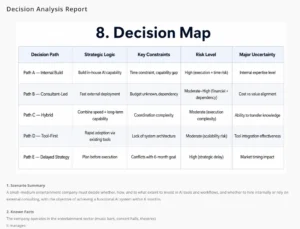
Decision Support
Decision Support system. PROBLEM: Strategic decisions are often slowed down by scattered information, unclear constraints, and discussions that mix ...
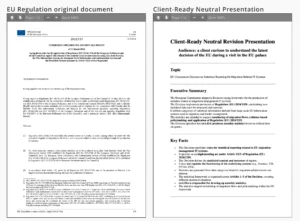
Document Intelligence
Document Intelligence system. PROBLEM: Teams often spend too much time reading long documents, pulling out the important parts, organizing ...
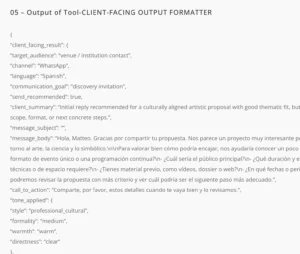
Localized Lead Workflow Automation
Localized Lead Workflow Automation system. PROBLEM: When leads arrive through email, forms, referrals, or direct messages, teams often lose ...
Research Automation
Research Automation System. PROBLEM: Research and analysis today are often: unstructured and inconsistent dependent on individual expertise prone to ...
Need support with AI system design?
Need support with AI system design and prompt engineering for AI integration?
Knowledge Assistants and RAG-Oriented Workflows
RAG, or Retrieval-Augmented Generation, refers to AI workflows that retrieve information from selected documents or knowledge bases before generating an answer.
I design and specify RAG-oriented knowledge assistant workflows with attention to source grounding, citations, freshness, privacy boundaries and human review.
When technical implementation is required, this work can support collaboration with IT specialists, developers or software providers.
AI systems, AI automation systems, AI agents, document intelligence, decision support systems, research automation, workflow automation, AI content generation, AI assistants, specialized AI agents, integrated AI systems, end-to-end AI solutions
Related pages
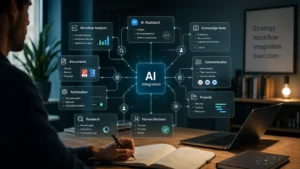
AI Integration
AI integration for projects, workflows and human-centered systems. AI is not only a technology to use. It is a new layer of work, decision-making, communication, research and project development. Integrate Artificial Intelligence into real work, projects and organizations through workflow analysis, system design ...

AI Workflow Design
AI Systems Design, Workflow Strategy and Usability. I design AI workflows for integration, testing, and evaluation. My work connects AI systems, prompt engineering, and human-in-the-loop automation to create practical, scalable, and usable solutions for real projects and organizations ...

AI Testing, Evaluation & Research
AI systems need review as well as implementation. I work on AI testing, evaluation and research to support comparison, quality control, risk awareness, usability and informed decisions across tools, workflows and real-world use cases ...
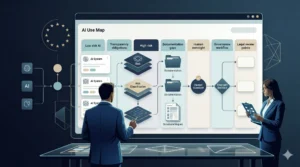
EU AI Act Compliance
Practical support to map AI use, identify obligations, classify risk, and prepare the documentation needed for responsible AI Integrartion and deployment under the EU AI Act ...
Project Management
Project management for communication, business development and AI integration. My approach connects strategic planning, communication, workflow analysis and AI integration. I help individuals, teams and organizations throughout all the phases of project development ...

Communications and Human Stories
Communications and storytelling, strategic communication, meaningful narratives. Communication is not only about visibility. It is about making a project understandable, memorable and alive. I help individuals, organizations, teams and projects communicate their identity, value ...